
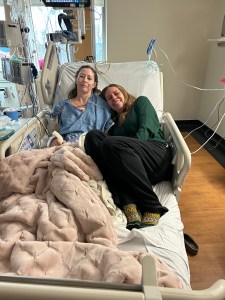
The nurses and doctors are standing over my hospital bed, looking at me. They’re talking to me, but I can’t understand anything they’re saying. I look at my vitals: my heart rate is 156, my blood pressure is dangerously low at 67/49, my oxygen is at 70%, and my temperature is 104 degrees, accompanied by the shaking rigors. This was my lowest point, just minutes before they whisked me to the Intensive Care Unit with Sepsis.
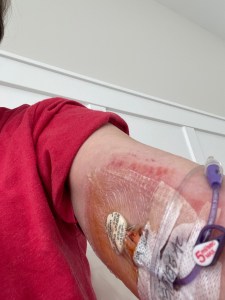
I spent five days in the ICU and eight days in the hospital. The tunneled catheter I had been using for the past three years became infected, leading to bacteria in my blood. On top of that, I had a vegetation growing on my heart, which required another six weeks of antibiotics after discharge to clear up.
Although I was confused at times, deep down I knew everything would be okay. Now, five weeks later, I find myself full of questions. How will this setback affect my ME (Myalgic Encephalomyelitis) and POTS (Postural Orthostatic Tachycardia Syndrome)? Will it make me weaker, or will it somehow make me stronger? So far, my body is struggling to regulate itself. My sleeping schedule is unpredictable, and my heart rate now hovers around 100 beats per minute. Is this the new normal, or is my body still fighting the infection? I went searching for answers.
Sepsis can have lasting effects on the body, especially in someone already managing conditions like ME and POTS. The toll it takes on my body can lead to both temporary and long-term changes in how it functions. The elevated heart rate of around 100 beats per minute could be a lingering effect of the sepsis and infection, or it might be related to the physical stress my body underwent. While it’s possible that my heart rate will return to a more typical range as I recover, it might also settle at a new baseline. Monitoring my vitals with my doctor’s guidance is important as I navigate this recovery process.
As for the impact on ME and POTS, it can vary. Some people experience a worsening of symptoms after an illness like sepsis, while others find that their body becomes more adaptable after the recovery period. It’s still early to tell, but patience and grace are crucial as my body adjusts.
The difficulty I’m experiencing with my sleep schedule and body regulation is a common post-sepsis challenge. It takes time for the body to recalibrate, so I can’t be discouraged if things feel off-kilter for a while.
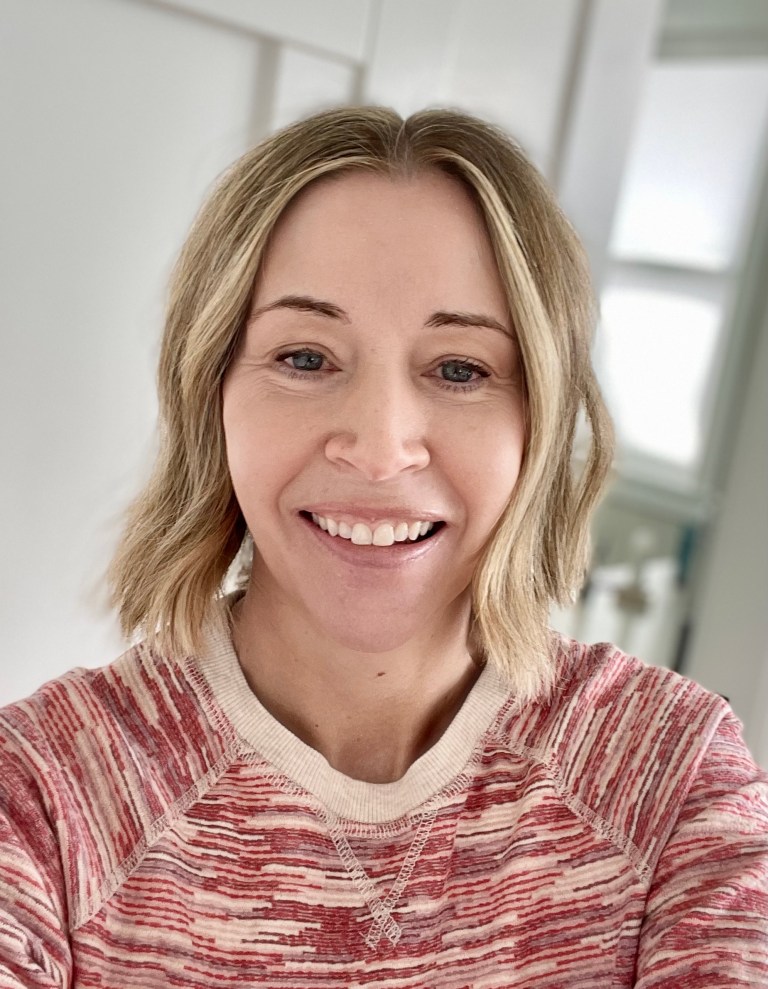
After such a harrowing experience, I can’t help but feel grateful to be alive, even with my body’s limitations. I hope to find greater stability during this next chapter but I’ll always be thankful I can still see my grandkids, have meaningful conversations with my children, feel the warmth of the summertime sun on my face, and share precious moments with my loved ones. While I’m still navigating the effects of sepsis on my body, this experience has only deepened my gratitude for the blessings I have. Nothing should ever be taken for granted.